
Redesigning Spaces For Comfort And Conversation
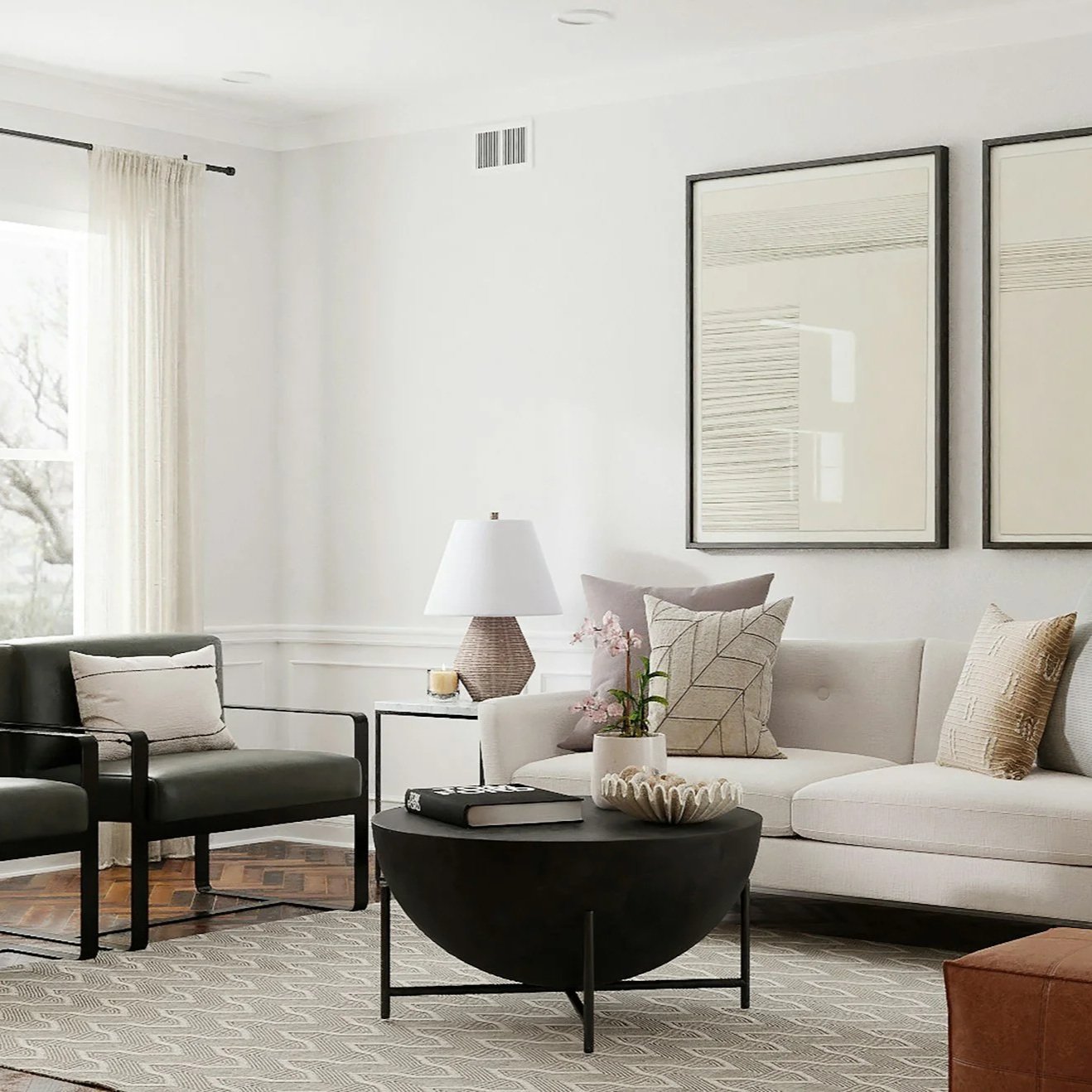
Professional designers approach each project with the goal of transforming everyday spaces into welcoming environments where people naturally gather and connect.
Creating a living room that invites both relaxation and lively conversation requires a thoughtful balance of comfort, functionality, and style. Professional designers approach each project with the goal of transforming everyday spaces into welcoming environments where people naturally gather and connect. Living room redesign embraces a blend of form and function, combining seating arrangements, lighting, and décor that foster interaction without sacrificing personal comfort.
Reimagining Seating To Encourage Connection
Seating shapes how people relate within a room. Traditional layouts featuring sofas lined against walls often discourage intimate conversations or dynamic gatherings. Designers favor configurations that promote eye contact and engagement, such as grouping chairs and sofas in circular or angled arrangements. Mixing seating types—from plush couches to cozy armchairs and even poufs—creates visual interest and accommodates different preferences.
Choosing upholstery that balances softness and support invites longer stays while allowing flexibility for guests to shift positions. Incorporating versatile pieces like modular sofas or ottomans adds adaptability for varied group sizes. Professionals carefully consider the scale of furniture relative to the room’s dimensions, avoiding overcrowding while maximizing usable seating. These intentional choices encourage a natural flow of conversation and comfort.
Optimizing Floor Plans For Ease And Flow
An effective living room design facilitates movement while defining functional zones. Open-concept homes challenge designers to carve out areas for socializing without barriers, relying on furniture placement and subtle visual cues. Rugs, lighting clusters, and artwork help demarcate the living space, lending structure to open layouts.
Professional services reconfigure floor plans to prioritize access and ease. Avoiding tight passages and awkward corners invites guests to mingle freely and comfortably. Traffic paths align with entrances, windows, and focal points like fireplaces or media centers. Achieving balance between openness and intimacy creates a space where no one feels stranded or out of place.
Layered Lighting To Set The Mood And Highlight Moments
Lighting plays a vital role in shaping the ambiance of a living room, influencing mood and functionality. Layering multiple types of lighting offers control and versatility. Ambient lighting delivers soft, overall illumination, while task lighting caters to reading or other focused activities. Accent lights highlight artwork, architectural features, or conversation nooks.
Dimmers add an extra layer of atmosphere, allowing the room’s energy to shift effortlessly from lively gatherings to quiet evenings. Designers integrate natural light through window treatments that regulate brightness without sacrificing views or privacy. Contemporary lighting fixtures often double as statement pieces, injecting personality and style into the space.
Storage That Combines Utility With Style
Clutter quickly undermines comfort and conversation by distracting attention and creating visual chaos. Clever storage solutions maintain order while complementing the living room’s aesthetic. Built-in shelves, custom cabinetry, and multipurpose furniture with hidden compartments offer practical space for books, electronics, and personal treasures.
Open shelving invites curated displays that personalize the environment, turning everyday objects into art. Professionals collaborate with clients to understand their habits and belongings, designing storage that fits naturally into the room’s flow without overwhelming. Efficient storage invites relaxation by reducing distractions and preserving calm.
Choosing Colors That Foster Warmth And Welcoming Energy
Color affects psychology and perception profoundly. Selecting palettes that promote relaxation while inviting social interaction requires a subtle blend of hues. Warm tones like soft golds, gentle oranges, and earthy browns foster a cozy atmosphere without feeling heavy. Cool shades can balance warmth, injecting freshness and calm.
Designers mix neutral bases with strategic pops of color in textiles, accessories, or accent walls to avoid monotony. Coordinating tones across furniture, walls, and décor pieces creates a harmonious backdrop where conversation flows effortlessly. Thoughtful color design encourages openness and emotional comfort.
Textiles And Textures To Enhance Comfort And Visual Interest
Variety in textiles and textures enriches the tactile and visual experience of the living room. Plush rugs soften hard floors, absorbing sound and anchoring seating groups. Cushions and throws add layers of coziness while injecting color and pattern. Mixing materials such as velvet, linen, leather, and natural fibers adds depth and intrigue.
Tactile elements invite guests to linger and engage, creating a welcoming atmosphere. Professionals recommend durable, easy-to-maintain fabrics that hold up to daily life without compromising style. Layering textures balances aesthetics with comfort, making the living room a place people enjoy inhabiting.
Incorporating Technology Seamlessly Into The Design
Modern living rooms often double as media hubs, blending entertainment technology with relaxation zones. Designers incorporate audiovisual equipment discreetly to preserve aesthetic appeal while optimizing function. Built-in media centers, concealed wiring, and furniture that accommodates devices prevent tech clutter.
Smart home integrations allow control over lighting, sound, and temperature with ease, enhancing the user experience. Thoughtful technology placement supports varied uses—watching movies, listening to music, or engaging in virtual gatherings—without dominating the room. Seamless tech integration maintains comfort and flow, balancing digital convenience with timeless design.
Personalized Details That Reflect Identity And Story
Every living room tells a story through its personalized touches. Art, family photos, heirlooms, and travel souvenirs reveal the homeowner’s journey and personality. Professionals guide clients to select pieces that resonate emotionally and complement the design narrative.
Incorporating unique finds or custom artworks adds character and invites conversation starters. Balancing personal items with curated décor prevents overcrowding while creating an inviting ambiance. A thoughtfully personalized living room becomes more than a space—it transforms into a meaningful setting for connection.
Sustainability And Wellness In Living Room Redesign
An increasing focus on sustainable materials and wellness drives living room redesign choices. Selecting eco-friendly furnishings, low-VOC paints, and natural textiles supports healthier indoor environments. Designers incorporate plants that improve air quality and bring nature indoors, adding vibrancy and calm.
Biophilic design principles promote connection to natural elements, benefiting mental well-being and stress reduction. Sustainable sourcing aligns aesthetics with responsibility, appealing to environmentally conscious clients. Prioritizing wellness and sustainability results in spaces that nurture both body and soul.
Collaboration And Communication Throughout The Process
Professional living room redesign thrives on close collaboration between designers and clients. Open dialogue uncovers preferences, habits, and aspirations. Designers translate these insights into customized plans that reflect unique lifestyles.
Transparent communication throughout planning and execution builds trust and reduces surprises. Regular updates and walkthroughs involve clients in decision-making, creating shared ownership of the project. This partnership cultivates a rewarding journey from concept to completion.
Managing Budgets Without Compromising Vision
Budgets shape possibilities, but skilled professionals navigate constraints with creativity and savvy. Prioritizing investments on impactful elements delivers visible improvements while maintaining overall harmony. Sourcing materials and furnishings strategically balances quality with cost.
Phased approaches offer flexibility, allowing clients to address components over time without overwhelming expenses. Transparent financial planning prevents misunderstandings and aligns expectations. Designers craft solutions that respect budgets while fulfilling the dream of a comfortable, conversational living room.
Adapting Spaces For Future Needs And Trends
Living rooms evolve alongside their occupants. Flexible design incorporates elements that adapt to changing needs and preferences. Modular furniture, adjustable lighting, and multipurpose storage respond to shifting lifestyles.
Anticipating trends while respecting timelessness balances innovation with longevity. Professionals incorporate versatility that preserves investment and relevance. Designing for the future transforms living rooms into spaces that grow with their families and friends.
The Emotional Rewards Of A Thoughtfully Redesigned Living Room
Transforming a living room affects more than physical space—it influences how people feel and relate. Comfortable, welcoming interiors invite connection, laughter, and relaxation. Witnessing a once underused room become a favorite gathering spot brings joy and fulfillment.
Working with professional designers relieves stress and sparks inspiration, turning abstract ideas into tangible, livable spaces. A well-executed living room redesign becomes a source of pride and comfort, enriching everyday life through enhanced connection and style.
M&D Home Renovation offers comprehensive home renovation design services, home remodeling services, and basement renovations in Morton, PA. A father-son venture, we offer expert services and hands-on guidance, ensuring transparency and communication. Call us today.
