
Arranging Furniture For Comfort And Wow Factor
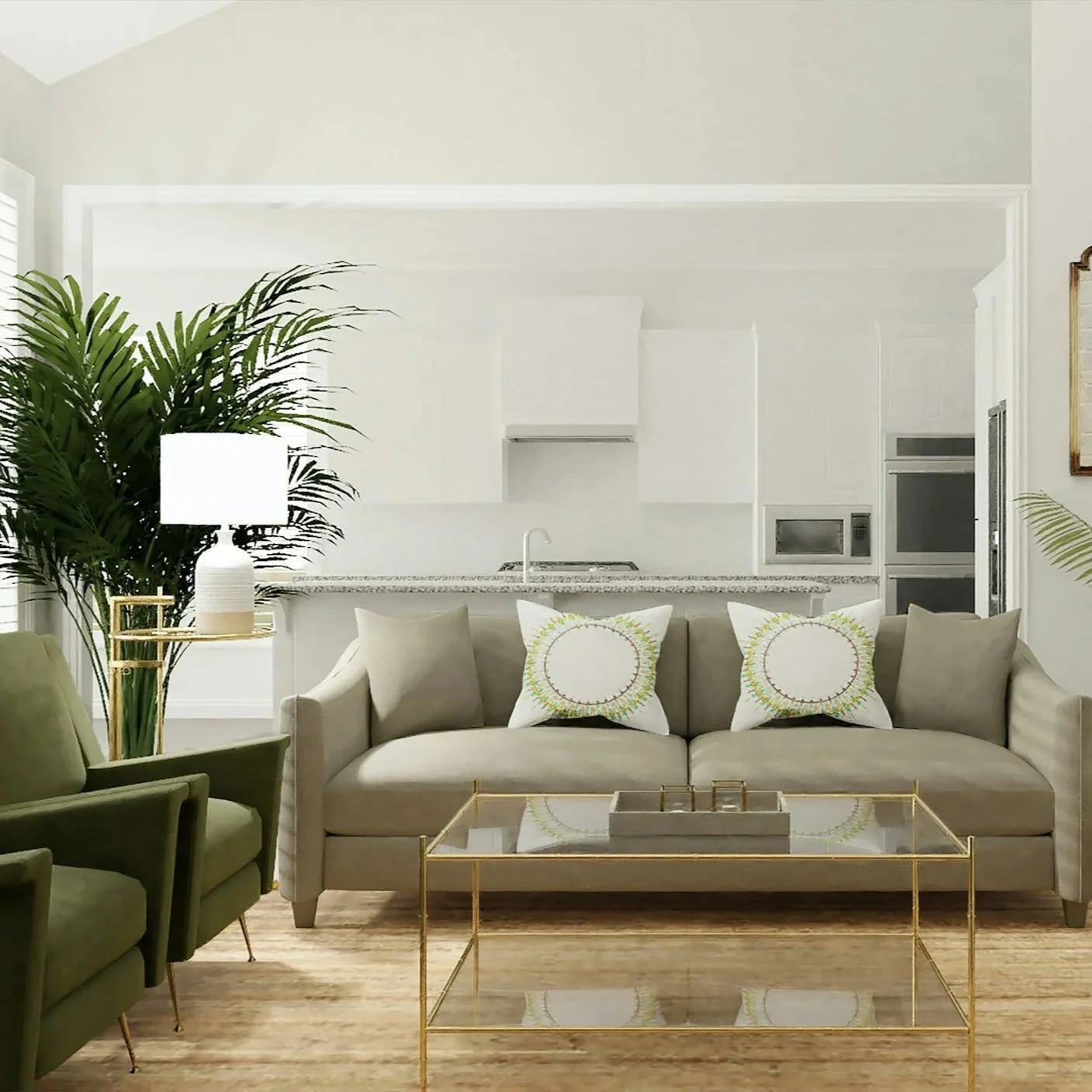
Professional furniture selection and arrangement services take guesswork off the table and replace it with an intentional strategy that combines aesthetics with actual livability.
Furniture layout might look simple on paper, but in practice, it behaves like a puzzle with a hundred oddly shaped pieces. It's not just about dropping a sofa in front of a television and calling it a day. It's about creating flow, encouraging conversation, celebrating architecture, and avoiding toe-stubbing landmines of poorly placed coffee tables. Professional furniture selection and arrangement services take guesswork off the table and replace it with an intentional strategy that combines aesthetics with actual livability.
Creating Purposeful Zones That Make Sense
Every room tells a story, and furniture is the punctuation that shapes it. In open-plan spaces, furniture defines zones without putting up walls. It separates the hangout from the homework area, drawing an invisible but very real line between where breakfast happens and where deep philosophical debates about movie endings take place.
Professional designers study how each room functions before bringing in any furnishings. That means understanding traffic flow, door swing space, focal points, and natural light patterns. Furniture placement then supports activity. A lounge area wraps comfortably around a fireplace. A reading nook tucks quietly into a sun-drenched corner. Each zone has a purpose, and the layout supports it.
Choosing Furniture That Fits The Space And The People
Not every sofa belongs in every room. That trendy, low-profile couch might look sleek in a catalog but will feel like a yoga squat for tall folks. Oversized sectionals often dominate small living rooms like furniture bullies, making even generous spaces feel cramped.
Professionals look beyond aesthetics and assess scale, proportion, and human comfort. The goal is always harmony between the furniture, the room, and the people using it. Armchair height matches dining chair backs. Coffee tables fall comfortably within reach. Ottomans don't float awkwardly in no-man's land. The right furnishings act like great party guests—supportive, stylish, and perfectly comfortable to be around.
Navigating The "Too Much" Or "Too Little" Dilemma
An empty room is a tempting blank canvas, but it's also a trap. Too much furniture, and it feels like a maze. Too little and it feels unfinished, like a home waiting on a moving truck that never arrives. Professionals bring balance to the layout by curating furniture pieces that serve both function and form.
Sometimes that means editing down bulky pieces to let air and light flow freely. Other times, it means layering in accent chairs or small side tables to fill in negative space without overcrowding. It's a careful dance between negative and positive space, where everything has room to breathe without feeling lonely or out of place.
Focusing On Focal Points Without Competing Chaos
Every room needs a hero. Sometimes it's a dramatic fireplace, a piece of art, or a panoramic window view. Whatever it is, furniture should support the focal point, not compete with it. A common mistake is treating furniture like it's in charge. In reality, furniture is the supporting cast that helps the star shine.
A professional layout might angle chairs to highlight a window scene or float a sofa so its back frames the room instead of blocking it. Entertainment centers no longer rule the roost—instead, design balances the need for screens with opportunities for human connection, clever storage, and visual harmony.
Making Conversation Feel Natural And Inviting
If guests need to lean across a coffee table or yell across a room to chat, something's off. Conversation should feel like an effortless triangle, not a long-distance shout. Professional furniture arrangement takes social interaction into account, creating groupings that allow people to engage comfortably without acrobatics.
In large rooms, multiple seating clusters invite different types of interaction. One area might encourage cocktail chatter while another supports quiet lounging. Smaller spaces often benefit from modular pieces or flexible arrangements that can be rearranged for different occasions. A successful layout promotes conversation without forcing it.
Respecting Flow Like A Furniture Traffic Cop
No one enjoys squeezing sideways through a narrow path to reach the kitchen or stubbing a toe on a bench while carrying laundry. Furniture placement should never interfere with the natural rhythm of movement through a space. Professional designers analyze flow like urban planners analyze intersections.
They calculate walking paths between key destinations—like from the entry to the couch, or from the bed to the bathroom. Each piece of furniture works within those invisible lanes, offering seating, storage, or surface space without being a physical obstacle. Function is always on the guest list, even at the most stylish soirées.
Mixing Styles Without Creating A Mishmash
A home should reflect its inhabitants, and that often means blending different aesthetics. Mid-century chairs might cozy up next to a rustic table, or a sleek modern lamp might live happily atop a vintage dresser. The trick lies in how those pieces relate to each other. Without a strategy, eclectic turns chaotic fast.
Professional arrangement services bring cohesion to diverse tastes. They find common threads—such as similar wood tones, shapes, or color families—and weave them together through layout and placement. The result feels personal and curated rather than haphazard or forced. It's like mixing patterns in fashion: it works with intention, not accident.
Embracing Vertical Space For Impact And Utility
Horizontal surfaces get all the attention, but vertical space plays a crucial role in furniture placement, too. Tall bookshelves draw the eye upward and frame low seating. Wall-mounted lighting or sculptural art balances lower furnishings. Even floating shelves can help tie together otherwise disconnected pieces.
Designers think three-dimensionally, using height variations to create rhythm and keep the eye moving. That might mean placing a tall plant next to a low armchair or hanging drapes slightly above the window frame to visually lift the ceiling. Furniture isn't just what's on the floor—it's how everything plays together in space.
Adding Layers That Don't Trip Over Each Other
Layers are what transform a flat furniture setup into a fully styled space. Rugs define zones and add warmth. Throw pillows introduce color and personality. Side tables offer a place to land drinks or a book. But those layers have to cooperate, or they'll just pile on chaos.
Professionals choose accessories that match the scale of the furniture and the room's function. A round table might soften the angles of a square sectional. A patterned rug might pull together disparate chair fabrics. Every item earns its spot through both purpose and visual appeal, avoiding the dreaded "cluttered chic" look that feels more rummage sale than designer living.
Accommodating Real Life Without Sacrificing Style
Families don't always live in photo-ready rooms. There are toys, pets, takeout containers, and the occasional blanket fort. Professional designers don't just think about how a room looks—they think about how it works. Furniture arrangements are built to adapt to real life.
That might mean choosing performance fabrics on frequently used pieces or selecting ottomans with hidden storage for board games and rogue socks. Modular sectionals can shift depending on the activity. Stylish benches at the foot of the bed can double as overflow seating or laundry catch-alls. Smart furniture planning brings flexibility without sacrificing flair.
Celebrating Quirky Architectural Features
Not every room is a perfect rectangle. Some come with slanted ceilings, oddly placed windows, or vintage radiators that demand space. Instead of fighting those quirks, professionals highlight them. A well-placed bench turns an awkward alcove into a cozy reading spot. A round table might echo the shape of a bay window.
Furniture becomes the tool for amplifying charm rather than masking it. The best layouts treat those oddities as opportunities. After all, character gives a room personality, and thoughtful arrangement helps it shine rather than shout over it.
Letting the Room Breathe and Speak
One of the most underrated moves in furniture arrangement is knowing when to stop. A bit of negative space allows rooms to feel open, airy, and intentional. Not every corner needs a chair. Not every wall needs a bookshelf. Professionals give rooms space to breathe without losing warmth or interest.
The result is a layout that feels welcoming but never crowded. Guests can move with ease, furniture has presence without dominance, and the room speaks confidently without cluttering the conversation.
Balancing Beauty And Practicality With Confidence
Arranging furniture is a nuanced game of Tetris with comfort, movement, personality, and aesthetics all fighting for elbow room. Professionals juggle those demands with practiced ease. Every piece has a purpose. Every placement has a reason. And every room, no matter how big, small, odd-shaped, or open-concept, has the potential to feel both functional and fabulous.
It's never just about filling space. It's about shaping it—creating a layout that invites people in, supports their lifestyle, and leaves them saying, "I never would've thought to put that there—but wow, it works perfectly."
M&D Home Renovation specializes in providing expert home renovation design services, home remodeling services, and basement renovations to Morton, PA, residents. Licensed and insured, we manage every detail meticulously and strive hard to bring the homeowner’s vision to life. Call today!
