
Double Duty Spaces: Making Every Room a Master of Multitasking
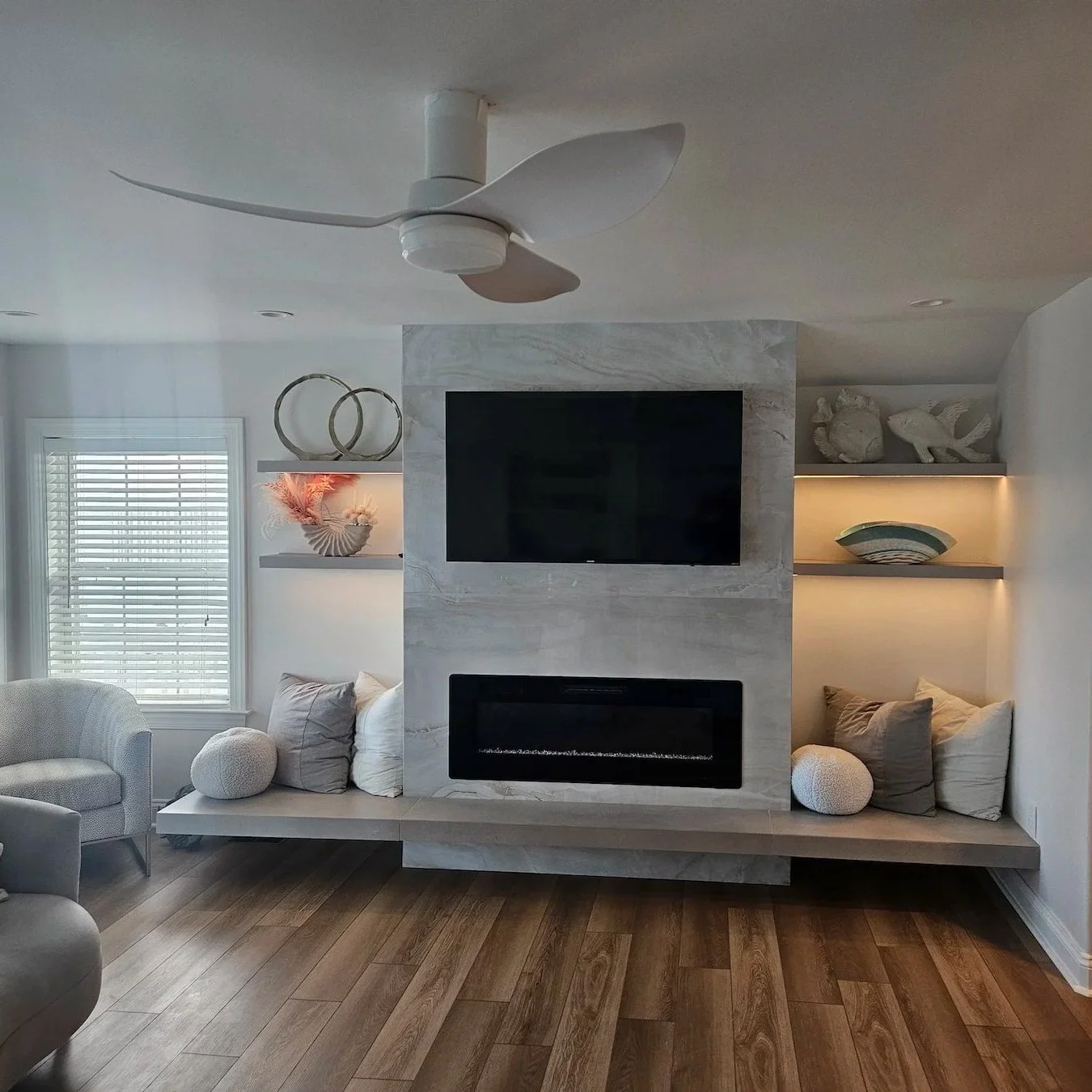
Professional design services help craft spaces that transition smoothly from one purpose to another without losing their charm or efficiency.
Modern living often requires spaces to play multiple roles, especially when square footage isn't as generous as we'd like. Multifunctional rooms have become the unsung heroes of home design, blending form and function with a flair for versatility. Professional design services help craft spaces that transition smoothly from one purpose to another without losing their charm or efficiency. Mastering the art of double duty means making every room serve its owner's lifestyle, sometimes in surprising and delightful ways.
Creating Fluid Zones Within A Single Room
Designing multifunctional rooms requires clever zoning that allows activities to coexist without chaos. A living room might moonlight as a home office, or a guest bedroom could double as a yoga studio. Achieving harmony means separating zones visually and functionally, even when the boundaries are invisible.
Rugs, lighting choices, and furniture arrangements become the tools for defining different areas. A cozy armchair paired with a side table and a lamp might create a reading nook distinct from the work desk tucked in a corner. The careful placement of shelves or room dividers also helps delineate spaces without boxing them in, preserving an open, airy feel.
Selecting Furniture With Flexibility In Mind
Furniture in multifunctional rooms plays a starring role. Adaptable pieces unlock a world of possibilities. Fold-out desks, Murphy beds, and convertible sofas transform rooms in a snap, catering to changing activities and moods. Professional design services focus on finding quality pieces that combine durability, style, and adaptability.
Storage often hides in plain sight. Ottoman benches with hidden compartments or shelving units that double as room dividers keep clutter at bay while adding character. Choosing furniture with multiple functions reduces the need for excess items, creating a streamlined and efficient space that never feels cramped.
Color Palettes That Transition Gracefully
The colors chosen for multifunctional rooms must perform a balancing act of their own. They need to be versatile enough to support different functions without overwhelming or confusing the senses. Neutral bases with pops of personality offer a foundation that ties all activities together.
Soft grays, beiges, or warm whites create a calming backdrop for working, relaxing, or entertaining. Accent colors introduced through textiles, art, or small décor pieces can shift the mood from energizing to soothing as needed. Designers often use these color cues to subtly indicate zone changes or to unify seemingly different areas within the same room.
Lighting Designed For Variety
Lighting proves a powerful ally in crafting multifunctional spaces. Adjustable lighting schemes cater to diverse activities, shifting from bright, focused to soft, ambient lighting with ease. Layered lighting solutions provide the flexibility that double-duty rooms demand.
Desk lamps or under-cabinet lighting support detailed work, while dimmable overhead lights create a cozy atmosphere for movie nights or dinner parties. Accent lighting highlights architectural features or art, adding warmth and personality. Professional designers plan lighting that responds to the room's many faces without requiring a complete overhaul.
Technology That Keeps Pace With The Room's Roles
Modern multifunctional rooms often depend on technology to support their various purposes. Sound systems, charging stations, and smart controls integrate seamlessly to adapt the space on the fly. Designing tech-friendly spaces means balancing cutting-edge convenience with aesthetic harmony.
Wireless charging pads embedded into furniture surfaces reduce clutter while keeping devices powered. Smart lighting systems allow users to adjust brightness and color temperature through voice commands or apps, tailoring the environment to the task at hand. Invisible speakers or retractable screens preserve clean lines, so the technology blends into the background until it's time to shine.
Storage Solutions That Hide And Reveal With Ease
Clutter threatens to sabotage multifunctional spaces faster than any design flaw. Having smart storage solutions that appear and disappear with ease keeps the room feeling calm and organized. Built-in cabinets with sliding doors or push-to-open mechanisms conceal work materials, exercise gear, or guest bedding when not in use.
Open shelves can display cherished books or decorative items while acting as visual dividers between zones. Incorporating storage into seating or beds maximizes square footage without crowding the room. The magic lies in crafting storage that feels like a natural part of the room rather than an afterthought.
Flooring That Supports Multiple Activities
The choice of flooring in rooms serving multiple roles demands practical and aesthetic consideration. Durable surfaces that accommodate foot traffic, exercise, or quiet reading sessions provide the best foundation. Professionals often recommend layered flooring solutions or area rugs that add warmth and define zones.
Hardwoods or high-quality laminates offer timeless appeal and ease of maintenance, while rugs soften the space and reduce noise. For areas used for physical activity, like yoga or children's play, mats or cushioned flooring add comfort and safety. A well-chosen floor anchors the room and supports the many hats it wears.
Acoustic Design For Peaceful Transitions
When a single room serves multiple functions, sound control becomes vital to maintaining peace and productivity. Acoustic treatments help soften noise and create boundaries between active and quiet zones. Soft furnishings, curtains, and wall panels absorb sound, preventing overlapping conversations or distractions.
Design professionals might recommend strategically placing heavier fabrics near noisy equipment or designing layout plans that separate louder zones from calm retreats. Thoughtful acoustic design invites users to switch between activities without battling unwanted noise interference.
Incorporating Personal Touches That Adapt
Multifunctional rooms face the added challenge of reflecting their users' personalities across varied functions. Personal touches that adapt along with the room help keep the space welcoming and authentic. Artworks with interchangeable frames, modular décor, or collections displayed on movable shelving bring character without limiting flexibility.
Personal mementos and favorite color accents transform generic zones into meaningful places. Designers guide clients to select elements that flow with the room's changing roles while preserving an inviting atmosphere. The goal is to make every corner feel like it belongs to the people who live and work there.
Designing For Future Flexibility And Growth
Home needs evolve, and multifunctional spaces shine brightest when designed to adapt along with their owners. Modular furniture, flexible layouts, and neutral design schemes prepare rooms for future changes in lifestyle, family size, or work demands.
Design services plan with an eye toward growth, advising on choices that won't feel dated or limiting over time. Investing in adaptable design keeps the home functional and fresh, avoiding costly renovations or space limitations down the road.
Blending Style With Practicality Without Compromise
A common misconception about multifunctional rooms is that they sacrifice style for practicality. Skilled design services reject this notion, proving that aesthetic appeal and function can coexist beautifully. Thoughtful material choices, balanced color schemes, and cohesive furniture create spaces that impress and perform.
Rather than patchwork solutions, professional design weaves elements together into a seamless whole. The result feels intentional and polished, turning a multipurpose room into a true home highlight.
Balancing Open Layouts With Privacy Needs
Open floor plans encourage connection and flexibility, but they also bring challenges when privacy becomes a priority. Multifunctional rooms often require adaptable solutions that allow temporary separation without permanently closing off the space.
Sliding panels, curtains, or folding screens offer quick privacy for video calls or quiet work. Retractable dividers create intimate corners while preserving an open feel when tucked away. Designers skillfully select materials and colors that harmonize with the overall design, making privacy options part of the room's charm rather than a disruption.
Making Multitasking Feel Effortless And Enjoyable
At the heart of multifunctional room design lies the desire to make living more convenient and enjoyable. Professionals combine creativity with experience to deliver spaces that encourage fluid transitions between activities without confusion or clutter.
The joy of sitting down at a desk that folds out of sight or welcoming guests into a bedroom that doubles as a cozy reading nook transforms everyday life. Design for multifunctional rooms celebrates the unexpected and embraces the hustle of modern life with a wink and a smile.
Double-duty spaces demonstrate that every square foot counts and that adaptability enriches the way people live and work. Professional design services unlock the potential of each room, crafting environments that respond dynamically to the shifting rhythms of life and make multitasking feel like second nature.
M&D Home Renovation offers comprehensive home renovation design services, home remodeling services, and basement renovations in Morton, PA. A father-son venture, we offer expert services and hands-on guidance, ensuring transparency and communication. Call us today.
