
Quartz vs Granite vs. Marble: Which Survives a Busy Kitchen
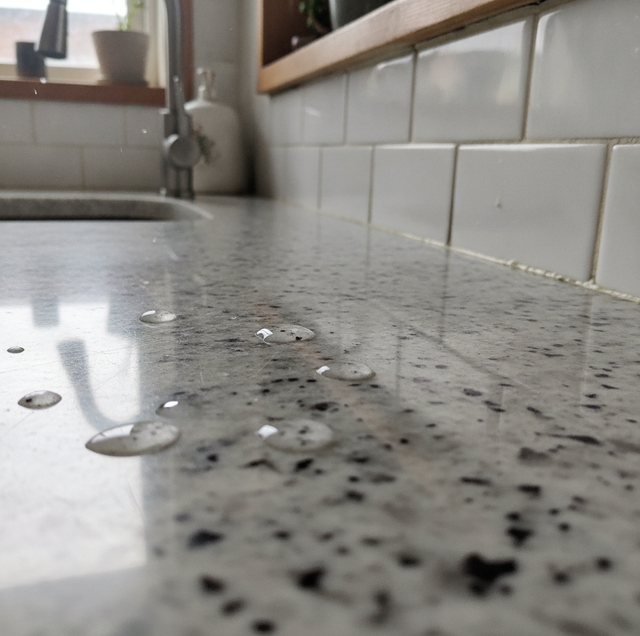
Stand in a showroom, and all three slabs look like winners. The problem is that a showroom is quiet, dry, and lit for effect, and your kitchen is none of those things. The real test starts the first Tuesday night you set a hot pot down without thinking, splash a squeezed lemon across the counter, or let a coffee ring sit while you get the kids out the door. Quartz, granite, and marble each answer those moments differently, and the gap between them is wider than the polished surfaces suggest.
Choosing well means matching the stone to how your kitchen actually gets used, not to how it photographs. Here is how the three materials behave once the cooking starts.
What Each Material Actually Is
The single biggest divide is engineered versus natural stone, and it drives almost everything that follows.
Quartz is engineered. It is roughly 90 to 93 percent ground natural quartz mineral bound with a polymer resin and pigments, then pressed and cured into slabs. Because that resin fills every pore, quartz comes out of the factory nonporous. It also comes out consistent: the pattern you approve on a sample is the pattern you get, which matters if you dislike surprises across a long run of counters.
Granite and marble are quarried natural stone, cut straight from the earth and polished. That gives each slab a one-of-a-kind pattern no factory can replicate, but it also means the stone retains its natural porosity and weak points. Granite is an igneous stone, dense and hard. Marble is a metamorphosed limestone, softer and made largely of calcium carbonate, which is exactly why acids give it trouble.
Sealing and Porosity: The Maintenance You Sign Up For
Porosity decides how much upkeep a counter demands, and this is where the daily-life differences begin.
Quartz needs no sealing, ever. The resin already blocks liquids, so wine, oil, and tomato sauce sit on top until you wipe them. That is the main reason quartz keeps winning busy kitchens: it forgives the spill you did not notice.
Granite and marble are porous and need periodic sealing to stay stain-resistant. An unsealed or lapsed granite counter can soak up oil and leave a dark blotch; marble, being even more porous, absorbs even faster. A well-sealed granite counter shrugs off the same spill if you wipe it in a reasonable window. The upkeep is not constant, but it is real, and skipping it is how natural stone earns its reputation for being high-maintenance.
Heat: What Happens When a Hot Pan Lands
This is the one category where natural stone clearly beats the engineered option, and it surprises people.
Granite is highly heat-resistant. It was formed under heat and pressure, so a pan straight off the burner does not faze it. Marble also tolerates heat well, though its softness makes it vulnerable in other ways. Quartz is the odd one out: the mineral withstands heat, but the polymer resin that holds it together does not. Direct, sustained heat can scorch or discolor quartz, leaving a mark that does not buff out. Manufacturers put the safe threshold far lower than the mineral alone would suggest and universally tell you to use a trivet. If you routinely move cast iron straight from the stove to the counter, granite spares you the caution.
Stains, Etching, and Scratches: The Everyday Damage
Different materials fail in different ways, so the risk depends on how you cook.
Etching is marble's signature weakness, and it is distinct from staining. When an acid touches marble's calcium carbonate, it dissolves a microscopic layer and leaves a dull, cloudy spot, no color required. A splash of lemon, a puddle of vinegar, or a spilled glass of wine can etch marble in minutes. Quartz and granite both resist acids and etch far less readily. For staining, sealed granite and nonporous quartz both hold up well, while unsealed marble is the most likely to hold a stain.
Hardness follows the same order. Marble is the softest and scratches most easily; granite is very hard; quartz is hard and scratch-resistant. None of the three should be treated as a cutting board, though, because a knife dulls fast and you can mar even the tough surfaces.
Comparing the Three at a Glance
| Factor | Quartz (engineered) | Granite (natural) | Marble (natural) |
|---|---|---|---|
| Sealing | Never needed | Periodic | Periodic, more often |
| Heat tolerance | Lowest (resin can scorch) | Highest | High |
| Acid etching | Resists | Resists | Etches easily |
| Scratch resistance | High | Very high | Lowest |
| Pattern | Consistent, repeatable | Unique per slab | Unique, prized veining |
| UV / sun fading | Some fading over the years | Stable | Stable |
| Relative cost | Mid to high | Mid | Highest |
| Best for | Low-maintenance busy kitchens | Heavy hot-pan cooking | Beauty over durability |
Matching the Stone to Your Kitchen
For most busy family kitchens, quartz is the practical answer. It never needs sealing, resists stains and acids that catch people off guard, and its consistency makes large installations look intentional. The trade-off is heat: keep trivets within reach, and quartz will outlast the phase of life that stresses it.
Granite suits the cook who wants natural stone and treats the counter hard. If hot pans, cast iron, and heavy prep are your normal, granite absorbs that abuse and asks only that you reseal it now and then. Marble is a beauty-over-durability choice. Its veining is hard to imitate, and plenty of people accept the etching and softness as the cost of that look, sometimes leaning into a lived-in patina rather than fighting it. Just go in knowing marble rewards care and punishes neglect more than the other two.
Frequently Asked Questions
There is no fixed calendar because it depends on the stone's density and your sealer. Use the water-drop test: put a few drops of water on the counter and wait about 15 minutes. If the water beads and the surface underneath stays unchanged, the seal is fine. If the water soaks in and leaves a dark spot that fades as it dries, it is time to reseal. Dense granites may go a couple of years between coats; porous marble often needs it more often, and the test tells you rather than guesswork. Quartz never enters this cycle.
On granite, yes, in practice, since it tolerates high heat without marking. On marble, it resists heat, but its softness and finish make direct contact a gamble, so a trivet is still smart. On quartz, no, because the resin binder can scorch or discolor from direct, sustained heat and leave a permanent mark. The reliable habit for all three is a trivet or hot pad, but if a stray hot pan is inevitable in your kitchen, granite is the forgiving one.
It can. Quartz is generally not UV-stable, and prolonged direct sunlight can cause some colors to fade or yellow over the years, an effect most noticeable on dark or vividly pigmented slabs near a south-facing window or a slider. Granite and marble are natural stones and do not fade this way. If your kitchen is flooded with sun, this is a genuine point in favor of natural stone, or a reason to choose a lighter quartz and consider window treatments.
Polished gives the glossy, reflective surface most people picture; it shows fingerprints and water spots a bit more, but resists shallow staining slightly better because the tight surface is less open. Honed is a matte, satin finish that hides scratches and etch marks better, which is why some marble owners choose honed to disguise the etching marble is prone to. The catch is that honed natural stone can absorb liquids a touch faster and may need more diligent sealing. On quartz, the finish is mostly a look; maintenance barely changes.
Often, and it depends on the material. Marble etching can frequently be polished out by a stone pro because it is only a surface-layer change, and honing the whole top is an option for widespread etching. Granite chips at an edge can be filled with color-matched epoxy. Quartz is the hardest to repair invisibly: a scorch mark or deep scratch usually cannot be sanded out because the resin and pigment only run so deep, so prevention matters more with quartz than with natural stones.
Quartz and granite are both strong resale performers and both handle heavy daily use, so the choice is more about upkeep style than value. Quartz appeals to buyers who want a low-maintenance kitchen with no sealing chores; granite appeals to those who want natural, heat-tough stone. Marble reads as high-end and can elevate a kitchen's appeal, but some buyers hesitate because of its maintenance, so it tends to shine in a design-forward home rather than a hard-working one. For a busy family that wants to install once and forget it, quartz usually edges ahead.
Weighing It for Your Own Kitchen
The right countertop is less about which stone is best in the abstract and more about which failure mode you can live with. Quartz asks you to respect heat; granite asks you to reseal; marble asks you to accept a little wear as character. Line those three demands up against how your kitchen really runs, cooking habits, sun exposure, tolerance for upkeep, and the decision usually makes itself.
Ready to pick the right countertop and see it in your kitchen before you commit? Book a free estimate with 3D renderings. M&D Home Renovations serves Delaware County and the Philadelphia suburbs. PA HIC #PA171802. Call (484) 250-4883.
