
How Long Should a Kitchen Renovation Take, Demo to Done?
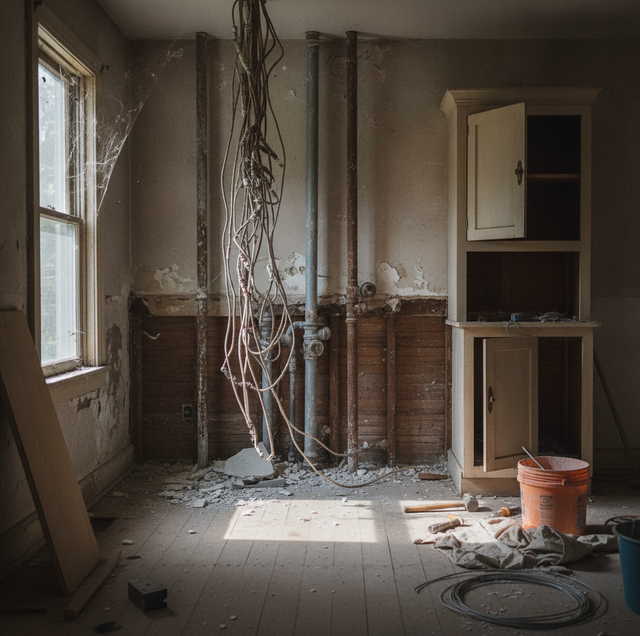
The question every homeowner asks before a kitchen remodel is not really about design; it is about survival: how long am I going to be washing dishes in the bathroom sink and cooking on a hot plate in the dining room? A kitchen is the hardest room in the house to live without, so a realistic timeline is not a nice-to-have; it is how you plan your life around the project.
The honest answer is that it depends on the scope, but there is a realistic range and a predictable set of phases, and knowing both keeps the wait from feeling like a mystery.
The Realistic Range
For a typical kitchen renovation, the hands-on construction phase, from demolition to the finishing touches, typically runs somewhere between six and twelve weeks. A simple, cosmetic refresh with no layout changes can move faster, sometimes just a couple of weeks, while a large or complex project, one that moves walls, relocates plumbing, or hits surprises, can stretch to several months. And that construction window does not count the planning and design phase before it, which can add weeks or months of its own for decisions, measurements, and ordering. When someone quotes a single number for a kitchen remodel, they are usually describing the construction phase of an average job, not the whole path from idea to finished room.
Where the Weeks Actually Go
Understanding why it takes as long as it does makes the timeline far less frustrating, because most of it is not idle time; it is sequential work that cannot be rushed.
| Phase | What happens |
|---|---|
| Planning and design | Decisions, measurements, ordering materials |
| Demolition | Removing old cabinets, counters, and fixtures |
| Rough-in | Plumbing, electrical, and any framing changes |
| Inspection | Approval of rough-in work before covering it |
| Drywall and paint | Closing walls, priming, and painting |
| Cabinets and counters | Installing cabinets, then templating and fitting counters |
| Finishes | Backsplash, flooring, fixtures, and final details |
The single biggest reason a kitchen cannot be rushed is that the phases must occur in order. You cannot install cabinets until the walls are closed, you cannot close the walls until the plumbing and electrical rough-in passes inspection, and you cannot template the countertops until the cabinets are set. Countertops, in particular, add a built-in pause: after the cabinets are installed, the counters are measured and fabricated off-site, which typically takes a couple of weeks before they can be installed, and the backsplash and finishes can follow. None of that is wasted time; it is the sequence the work requires.
What Stretches the Timeline
Delays usually come from a few predictable places. Special-order materials, custom cabinets, specific tile, and a particular appliance can have long lead times, and if they are not ordered early, the project waits for a box in a warehouse. Changes mid-project, deciding to move the sink or swap the cabinet layout after work has started, reset parts of the sequence. Inspections must be scheduled and passed before work can continue. And older homes hold surprises: opening up the walls can reveal outdated wiring, aging plumbing, or framing that is not where or how it should be, and addressing those adds time that no one could have quoted up front.
Why Older Homes Take Longer Here
In an area full of older and historic homes, that last point is not an occasional risk; it is a near-certainty worth planning for. Pre-war and mid-century houses often hide knob-and-tube wiring, galvanized plumbing, plaster-and-lath walls, and floors and walls that are no longer square, and a kitchen remodel is exactly the project that uncovers them. Bringing outdated wiring or plumbing up to current standards while the walls are open is the responsible thing to do, but it adds time, and working around out-of-square old construction takes more care than a newer home. The wise move here is to build a realistic buffer into the schedule for what the demolition might reveal, so an old-house surprise becomes a manageable step rather than a derailment.
Frequently Asked Questions
The construction phase of a typical kitchen renovation most often runs about six to twelve weeks from demo to finish, with simple cosmetic updates going faster and large or complex projects taking several months. What usually sets the length is the critical-path items rather than the labor days: semi-custom or custom cabinets commonly carry a six-to-eight-week lead time from order to delivery, and stone countertops add another one-to-two weeks between template and installation. If those two items are ordered late, they, not the crew, become the schedule. That range also does not include the design and selection phase beforehand, which adds its own weeks for decisions and ordering.
Three things stall most projects mid-stream. Change orders are the biggest self-inflicted ones: deciding to move the sink or swap the cabinet layout after work has started resets part of the sequence and can trigger a fresh material order. Hidden conditions are the second, opening a wall and finding a rotted subfloor, a leaking drain, or wiring that has to be replaced before the job can proceed. The third is inspection timing, since rough-in must be scheduled and passed before walls can close, and a failed or backlogged inspection can idle the crew for days while they wait for the next available slot.
No single phase dominates, but countertops create one of the most noticeable pauses, since they are measured only after the cabinets are installed and then fabricated off-site over a couple of weeks before installation. Waiting on special-order materials like custom cabinets or specific tile can also be a long pole. In older homes, unexpected wiring or plumbing issues discovered during demo can also extend the schedule.
To a point. Ordering all materials early so nothing holds up the sequence, finalizing the design and decisions before demo begins, and avoiding mid-project changes are the most effective ways to keep it on schedule. What you cannot compress is the required order of the phases and the inspections. A well-planned project runs efficiently; a rushed one usually stalls when a decision or a delivery is not ready.
Roughly the length of the construction phase, commonly six to twelve weeks for a typical remodel, though you lose use of the kitchen from demolition day onward. Many homeowners set up a temporary kitchen, a microwave, a hot plate, and a fridge in another room to get through it. Planning for that stretch in advance makes the disruption far more livable.
Permits themselves are often a few days to a couple of weeks to pull, but the bigger drag is the required inspection holds tied to them: rough-in cannot be covered until it passes, so a delayed inspector stops progress cold. Older homes stack more of these surprises on top. Opening walls in a pre-war or mid-century house commonly reveals knob-and-tube wiring, galvanized supply lines, plaster-and-lath instead of drywall, and framing that is out of square, and each has to be corrected before finishes go in. Any one can add days; several together can extend a job by weeks, which is why an older-home schedule should carry a real buffer rather than a best-case number.
Plan for the Sequence, Buffer for the Surprises
A kitchen renovation typically takes six to twelve weeks of construction for a typical job, more for complex ones, plus planning time beforehand, and the length comes from phases that must happen in order, rather than any single slow step. Ordering early and locking in decisions keeps it moving, while special orders, mid-project changes, and older-home surprises are what stretch it. Know the range, respect the sequence, and build in a buffer for what the walls might hide, and the wait becomes a plan instead of a mystery.
If you are planning a kitchen remodel and want a realistic timeline for your home, we will walk you through the schedule and what to expect. M&D Home Renovations serves Delaware County and the Philadelphia suburbs. PA HIC #PA171802. Call (484) 250-4883.
