
The Truth About Open Concept Kitchens: Are They Still Worth It?
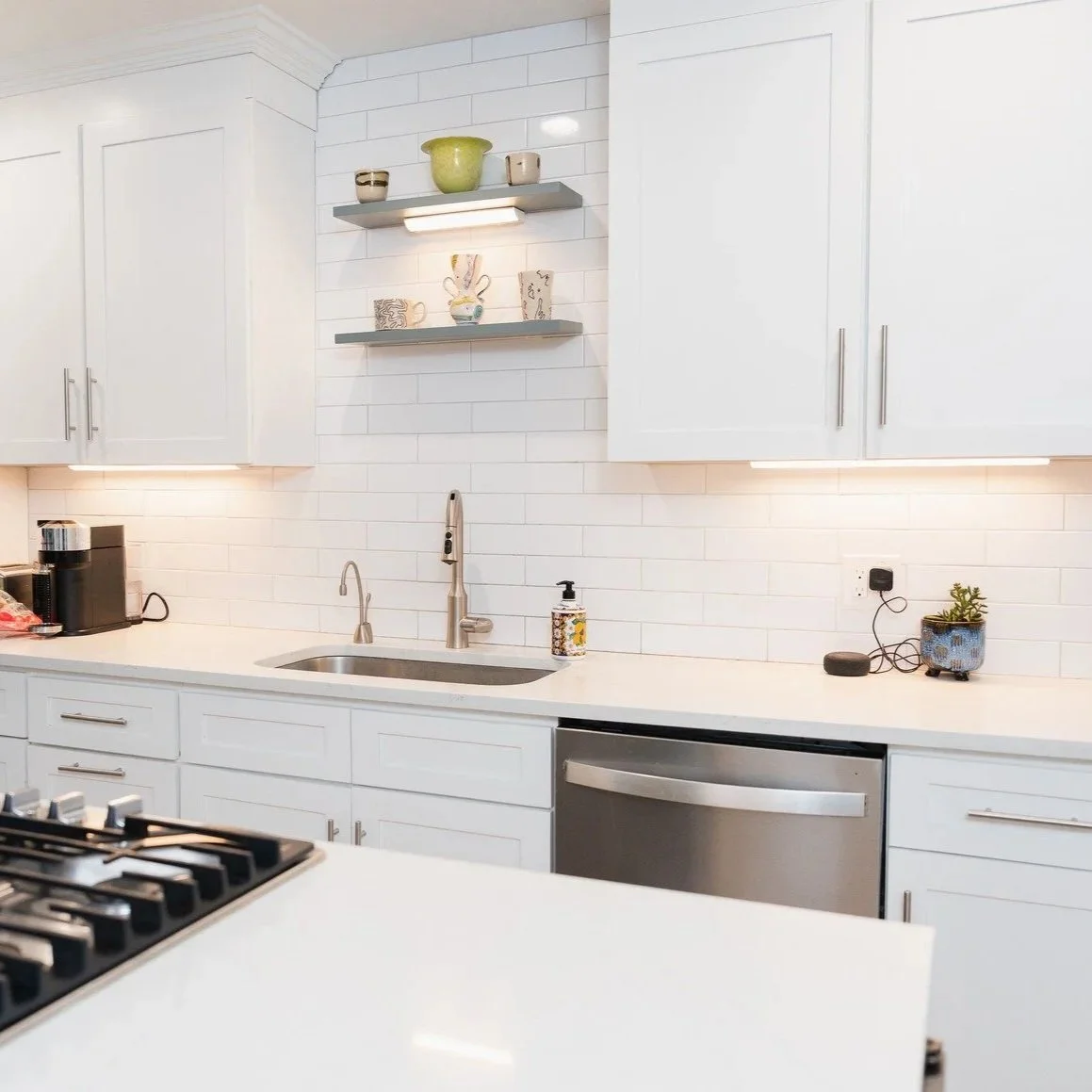
Walls came down, floor plans opened up, and families suddenly enjoyed the luxury of blending cooking, dining, lounging, and living in one continuous space
Open concept kitchens once ruled the remodeling world with the force of a design revolution. Walls came down, floor plans opened up, and families suddenly enjoyed the luxury of blending cooking, dining, lounging, and living in one continuous space. Homeowners loved the freedom, brightness, and sense of connection that came with removing barriers. Trends evolve, though, and homeowners now wonder whether open concept kitchens still deliver long-term value. A professional remodeling team can help homeowners weigh updated trends, current needs, and modern lifestyle changes before committing to a design that reshapes how a home feels and functions.
Many homeowners enjoy the wide-open layout that open-concept kitchens offer, especially when hosting gatherings. Parents appreciate the ability to keep an eye on kids while preparing meals. Entertainers enjoy the seamless flow between spaces. Natural light spreads freely across open layouts, making spaces feel cheerful and inviting. Some homeowners, however, crave a return to defined rooms, acoustic separation, and a bit of privacy. Professional contractors see both preferences in today’s market, and the best direction depends on how homeowners use their homes and what improvements support daily comfort.
A kitchen-centered remodeling project is a major investment, and springing into it without thoughtful planning pays off in both function and value. Professionals help homeowners visualize how daily routines operate in an open-concept design versus a more defined layout.
An open concept kitchen can still be worthwhile when executed with modern design principles that balance openness with practical storage, smart acoustics, and visually distinct zones. Contractors guide homeowners toward designs that age gracefully while keeping the home aligned with market trends.
Why Open Concept Kitchens Became So Popular
Open concept kitchens became household favorites for good reason. A single flowing space creates an inviting atmosphere where everyone feels included. Natural light moves across the room without interruption. Cooking no longer isolates the chef from the rest of the family. For many homeowners, that connectedness still holds tremendous appeal.
Professional remodelers often recommend open-concept layouts in homes where small or boxed-in kitchens create movement challenges or safety concerns. Removing barriers can transform an outdated kitchen into a spacious hub of activity. Contractors know how to manage load-bearing walls, electrical rerouting, structural supports, and layout adjustments that keep the upgrade safe and durable.
Many homes built before the early 2000s have choppy layouts that restrict visibility, limit furniture placement, and interfere with natural airflow. An open-concept renovation can address those limitations and breathe new life into aging structures. Contractors can blend new finishes with existing architecture to create a cohesive style that looks intentional rather than pieced together.
Why Some Homeowners Want Separate Spaces Again
Kitchens that open into living rooms offer countless benefits, but the design also brings challenges that homeowners sometimes overlook. Noise travels easily in open spaces. Daily cooking smells move freely. Television sounds mix with clattering pans. People working from home may need quiet corners rather than free-flowing layouts. Professionals help homeowners predict these challenges before starting a remodel.
Some homeowners prefer defined rooms that offer visual boundaries and more opportunities for cabinetry, wall décor, or storage. Open layouts remove walls, which often removes storage. Professional contractors can rebuild that lost storage using smart cabinetry, islands, and custom features that maintain the open feel while restoring function.
Design trends also show that many homeowners want cozy corners, home offices, or spaces that encourage quiet time. An open-concept kitchen can sometimes make a home feel permanently busy. Contractors can help craft hybrid layouts that blend openness with partial separation, giving homeowners the best of both worlds.
Modern Open Concept Design Trends
Open concept kitchens still hold strong appeal when crafted with modern design strategies that reflect how families live. Professionals often recommend incorporating visual zoning techniques to break up the space without rebuilding walls. Color changes, flooring transitions, island placement, lighting variations, and ceiling treatments can all divide a space in subtle yet powerful ways.
Homeowners also lean toward strategic semi-open concepts instead of fully open plans. Partial walls, glass panels, wide cased openings, or built-in shelving can create a sense of division without blocking light. Contractors use these elements to give homeowners visual boundary lines that support better organization and more privacy.
Many modern open-concept renovations incorporate acoustical improvements. Sound-absorbing materials, upholstered elements, textured features, and layered lighting reduce echo and create a more peaceful environment. Professional remodelers know how to select surfaces that blend beauty with sound comfort.
Functional zoning also becomes simpler when professionals lead the process. Contractors create natural pathways to keep cooking areas clear. They adjust appliance placement to support efficient workflows. They design seating arrangements that complement the room’s purpose while maintaining visual balance.
How Open Concept Layouts Affect Home Value
Open concept kitchens often perform well in real estate markets. Buyers enjoy bright, airy spaces that feel modern and welcoming. A well-executed open-concept renovation can increase perceived square footage, making the entire home feel more impressive. Professional craftsmanship is especially important, since structural modifications and layout changes influence long-term stability and home safety.
Some markets are currently seeing increased interest in partially separated kitchens. Buyers want flexibility, which means professionally designed layouts that offer multiple functional zones tend to stand out. Kitchens that support entertaining, working, relaxing, and dining remain highly desirable, especially in suburban areas where family-friendly layouts influence purchasing decisions.
Contractors can also help homeowners evaluate whether their property is a strong candidate for an open-concept upgrade. Some homes benefit greatly from tearing down walls. Others lose essential storage or architectural character. A professional assessment often prevents missteps that can lower value or create long-term challenges.
Why Professional Remodeling Services Matter
An open-concept renovation requires structural evaluations, precise measurements, and careful planning. Removing walls often involves rerouting HVAC systems, moving plumbing lines, or reinforcing beams. Professionals handle these tasks safely while protecting the home’s integrity. A well-managed remodel also includes detailed scheduling, clear communication, and coordination between electricians, plumbers, carpenters, and designers.
Professionals also help homeowners avoid common mistakes that occur when attempting open concept transformations without expert guidance. Misplaced islands, improper lighting, and misplaced outlets can create functional issues that linger for years. Contractors design around daily workflows to support easier cooking, faster cleaning, and better movement.
Material selection becomes easier with expert advice. Homeowners sometimes choose surfaces based solely on appearance, but professionals help evaluate durability, cleaning requirements, and long-term performance. Kitchens benefit from flooring that handles spills, countertops that resist scratches, and cabinetry that supports many years of use. A contractor’s guidance protects the investment and strengthens home value.
How Open Concept Kitchens Support Modern Living
Families today use kitchens for far more than meal preparation. Homework sessions, remote work, casual lounging, quick dining, and weekend hosting all blend into kitchen spaces. Open layouts support these activities by providing homeowners with adaptable space that shifts with the moment.
Professionals design layouts that leave enough seating, serve as multi-purpose stations, and keep walkways open. Many homeowners appreciate the comfort of chatting with guests while stirring a pot on the stove or watching kids at the island. Open sightlines create a sense of community that many families value.
Ventilation improvements become essential in open layouts. Professionals often recommend upgraded hoods, ducting, and airflow solutions so cooking smells dissipate quickly. Modern hoods operate quietly while effectively clearing the space, allowing homeowners to enjoy an open-concept layout without lingering scents.
Lighting upgrades also play a major role in the success of open-concept spaces. Contractors help homeowners layer lighting to separate task areas from ambiance areas. Recessed lighting, pendant fixtures, under-cabinet lights, and accent features all contribute to a polished, cohesive design.
Balancing Beauty With Practicality
A successful open-concept kitchen balances aesthetics with functionality. Professional remodelers prioritize workflow first, then build beautiful finishes around it. Homeowners sometimes focus heavily on visual elements like countertops or backsplashes, and professionals help blend those choices into a design that supports daily living.
Color coordination also becomes important in open layouts because everything is visible at once. Contractors guide homeowners toward cohesive palettes that connect the kitchen with the living and dining spaces. Balanced neutrals, complementary tones, and subtle accent colors often create the most harmonious effect.
Storage strategies also play a vital role. With fewer walls available, contractors design clever cabinetry solutions, custom islands, hidden pantries, and built-in features that keep kitchens organized without sacrificing the open aesthetic. A professional touch can help create storage solutions that feel both intentional and stylish.
FAQs
Are open concept kitchens still a good investment?
Open concept kitchens remain valuable when professionally designed with modern trends in mind. Many buyers still appreciate the open flow, natural light, and spacious feel. A contractor can help homeowners determine whether the design suits their lifestyle and property.
Do open concept layouts reduce storage?
Open layouts sometimes reduce wall space that would normally support cabinets. Professionals solve this challenge by designing custom islands, built-in shelving, and cleverly planned cabinetry that restores storage while keeping the space open.
How do professionals reduce noise in open concept kitchens?
Contractors use materials and design strategies that soften sound. Upholstered furniture, textured finishes, upgraded flooring, and layered lighting help reduce echo and keep the home comfortable.
What if I want an open concept look but still want privacy?
Semi-open concepts offer a perfect balance. Contractors can create large openings, partial walls, or glass features that introduce spaciousness without losing separation. These hybrid layouts continue to gain popularity.
Do open concept kitchens work for every home?
Some homes benefit greatly from an open concept, while others lose valuable structure or character. Professionals evaluate the home’s layout, load-bearing walls, and architectural features before recommending the best approach.
M&D Home Renovation, a licensed and insured home renovation contractor in Morton, PA, offers professional kitchen remodeling and renovations, bathroom renovation services, and attic renovations. We have been a trusted name in the community since 2007, offering innovation solutions and custom design services. Schedule a free estimate today.
