
Signs Your Bathroom Needs More Than a Cosmetic Update
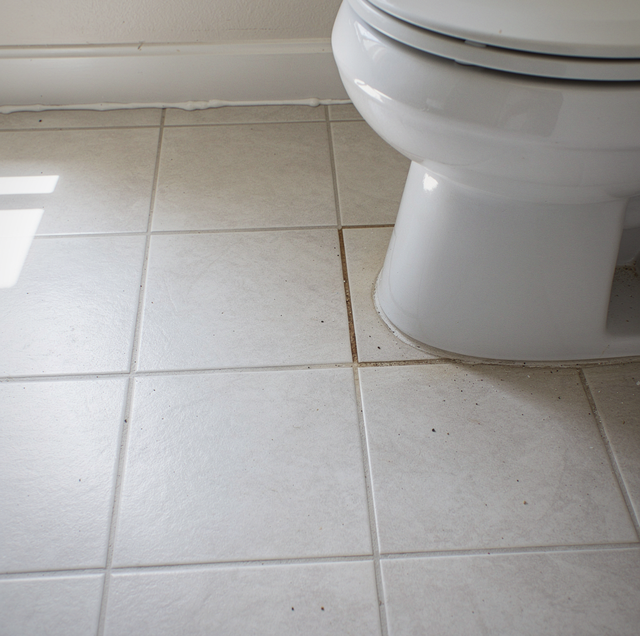
A fresh coat of paint and a new vanity can make a tired bathroom look ten years younger, and for many bathrooms, that's really all they need. But paint and fixtures only fix what you can see. They do nothing for a subfloor gone soft under the vinyl, a shower valve dripping into the wall cavity for two years, or a layout that never worked even when it was brand new. Knowing which category your bathroom falls into before you pick out paint chips saves you from spending money twice.
Cosmetic problems and structural ones often look similar on the surface. Peeling caulk can mean the grout just needs recaulking, or that water has been getting behind the tile for a while. A dated tile pattern might just be dated, or it might be hiding a floor that flexes underfoot. Here's how to tell those two situations apart, sign by sign.
Start With the Floor: Soft Spots Mean More Than a New Tile Job
Stand near the tub and the toilet and shift your weight slowly. Any bounce, give, or faint creak that wasn't there before is worth paying attention to. A bathroom floor is built to feel solid; subfloor plywood or OSB doesn't flex noticeably under normal weight when it's dry and properly fastened.
Softness almost always means water has reached the subfloor and started breaking it down: a grout joint letting water through for months, a wax ring under the toilet that failed and leaks with every flush, or a shower pan that never had a working waterproof membrane behind the tile. Once plywood absorbs enough water, it swells, loses its strength, and sags between the joists. New flooring laid over a soft subfloor doesn't solve anything; it just buys a few more months before the new material tells the same story.
The fix for a soft spot is never cosmetic. It means pulling the existing floor, checking the joists for rot, replacing any subfloor section that's absorbed water, then correcting whatever let the water in. That's construction work, not a flooring swap.
Cracked Tile Can Be Simple, or It Can Be Telling You Something
A single cracked tile near a doorway, or one that took an accidental drop, is usually just a tile problem. Pull it, replace it, move on.
A pattern of cracks tells a different story. If several tiles are cracking in a line, grout lines are separating across the floor, or a crack keeps reappearing in the same spot after a repair, something underneath the tile is moving, whether from a soft or undersized subfloor, joists never reinforced for the weight of a tile floor, or moisture-related swelling. Tile is rigid and brittle, and it has nowhere to go but crack when the structure beneath it shifts.
A repeat cracking pattern deserves investigation, not just another repair. Regrouting or replacing the same tile without addressing what's moving underneath just delays the next crack; the floor structure itself, not the tile, is the actual issue.
Grout and Caulk That Won't Stay Sealed
Every bathroom needs the caulk line redone occasionally; that's ordinary maintenance, not a warning sign. What's worth noticing is a caulk or grout repair failing again within a few months in the same spot, even though it was done correctly.
A joint that keeps failing usually means ongoing movement, moisture, or pressure it can't withstand: a shower pan flexing slightly with each use because the mortar bed wasn't the right thickness, or water working its way behind the tile from a leak, pushing the caulk loose from inside. One or two rounds of normal upkeep is fine. Three failures in the same spot within a year means it's time to look behind the tile rather than reach for another tube of caulk.
Mold That Keeps Returning After Cleaning
Surface mildew on grout or in the corners of a shower is common and usually needs regular cleaning and better ventilation habits. Mold that returns within days or weeks, especially away from the shower itself, like a corner of the ceiling, a baseboard, or behind a toilet, points to a moisture source that scrubbing can't reach.
Mold needs a continuous moisture supply to keep coming back that fast: ventilation that isn't actually moving humid air out, so steam settles on cool surfaces and never fully dries; a slow leak inside a wall or under the floor keeping a hidden surface damp around the clock; or condensation forming inside an exterior wall where warm indoor moisture meets a colder surface behind the drywall.
An undersized exhaust fan, vented into the attic instead of outside, or simply never used, will let humidity linger far longer than it should. That's a mechanical fix, not a paint fix. If the fan and habits check out and mold still comes back, the moisture is probably coming from inside a wall or under the floor, and that calls for opening things up to find it.
Fixtures That Leak Behind the Wall, Not Just at the Faucet
A dripping faucet or a running toilet is a simple repair almost every time; a washer, a cartridge, or a flapper wears out and gets swapped. A different problem is a leak you can't see directly but can trace through its effects: a damp spot on the ceiling below, a musty smell near a particular wall, water stains spreading across drywall, or a water bill that's climbed without explanation.
Those signs point to a leak inside the wall or floor cavity, usually at a supply line joint, a shower valve, or a drain connection failing slowly rather than all at once. Plumbing hidden inside walls can leak for a long stretch before it becomes visible, because the water soaks through framing, insulation, and drywall before it shows up as a stain. By the time you can see it, whatever it's been dripping onto has been absorbing water the whole time.
New fixtures on the outside of the wall do nothing to address a connection failure on the inside. Getting to that kind of leak means opening the wall or floor, which is, almost by definition, renovation-scale work.
Ventilation and Moisture Problems That Point to a Bigger Fix
Bathrooms generate more moisture, faster, than almost any other room, and dealing with it is as much a mechanical job as a design one. A working exhaust system pulls humid air outside before it settles on the walls, ceiling, and floor. When that system is missing, undersized, or vented incorrectly, moisture has nowhere to go and begins to affect materials that were never built to handle constant dampness.
Peeling paint on the ceiling, a warped or swollen door at the bottom edge, condensation that beads on the window every time someone showers, or a persistent musty smell no amount of cleaning clears are all signs that ventilation, not decor, is the actual gap. Repainting a peeling ceiling without correcting the ventilation behind it means the new paint will peel again on roughly the same schedule as the old paint.
Older homes are especially prone to this. A bathroom added or updated decades ago may have a fan sized for a much smaller room, or ductwork never connected to the outside, dumping moist air into the attic instead. Correcting that means resizing and rerouting the exhaust system, well beyond what a cosmetic update covers.
A Layout That Never Worked, No Matter How It's Finished
Some bathrooms have a functional problem that no amount of new tile or paint will touch, because the issue is where things are, not what they look like: a door that hits the vanity when it swings open, a shower with barely enough room to turn around in, a toilet wedged so close to the tub that cleaning it is a daily annoyance, or a single sink serving two people every morning.
These issues tend to get more obvious over time rather than less, and they're one of the more common reasons people look into a full renovation even when nothing in the room is actually broken. New fixtures in the same footprint just repeat the same frustrations in a nicer finish. Fixing a layout problem means moving plumbing, walls, or both, which puts the project solidly in renovation territory.
When the Signs Point to Waterproofing, Not Just Tile
Tile itself is just a decorative, water-resistant surface; the actual waterproofing happens on a membrane installed underneath it, between the tile and the wall or floor structure. When that membrane is missing, damaged, or not installed correctly, water gets past the tile and grout and reaches the framing and subfloor behind it, often long before any signs appear on the surface.
Signs that point to a waterproofing failure rather than a simple tile problem: water stains on a wall or ceiling outside the shower, a musty smell near the shower stall, tile that sounds hollow when tapped in multiple spots, or a shower pan that feels soft at the drain. Retiling over a failed membrane just repeats the failure behind a new surface; fixing it means removing the tile and pan down to the studs and subfloor, correcting the membrane and slope, and rebuilding from there.
Putting It Together: Reading Your Own Bathroom
Walk your bathroom with these questions in mind. Does the floor feel solid everywhere you stand? Have any repairs, caulk, grout, or a patch actually held for more than a few months? Does mold stay gone after cleaning, or come back fast? Are there stains, smells, or a rising water bill hinting at a hidden leak? Does the fan actually clear steam? Does the layout work for the household's use of the room day after day?
If everything checks out and your only complaint is that the finishes look tired, a cosmetic refresh, new paint, updated hardware, and a fresh vanity will do exactly what you want. If any of the questions above land on no, the smarter move is to treat the room as a renovation candidate from the start, so the money goes toward a floor, wall, and plumbing system built to last rather than a surface layer over a problem that's still there.
Frequently Asked Questions
Press firmly near the tub, toilet, and shower entrance. Worn flooring material, such as scratched vinyl or cracked tile, remains flat and stiff even where it appears damaged. A soft or spongy feel means the subfloor beneath has absorbed water and lost its stiffness, which new flooring alone can't fix.
A little splashing near the tub is expected, but water that regularly pools outside the shower area, especially near a threshold or along a wall, usually means the door, curtain, or pan drainage isn't containing water well, and it's worth having checked before it reaches the subfloor.
It varies with the size of the leak and what surrounds it, but a slow drip inside a wall can go unnoticed for months while it steadily soaks into framing, insulation, and drywall. By the time a stain or soft spot appears on the surface, real damage has usually already formed beneath it.
Not necessarily. A few isolated hollow spots can sometimes be repaired by injecting adhesive underneath the loose tile. Hollow sounds across a wide area, or near a shower pan specifically, usually point to a bigger separation issue that calls for pulling up the tile to check the layer underneath.
Sometimes. Swapping a swinging door for a pocket door, resizing a vanity, or shifting a toilet slightly within the existing drain location can improve a cramped layout without relocating supply and drain lines. Bigger changes, like adding a second sink or reworking the shower footprint, usually do require moving plumbing.
It's a reasonable step, especially in an older bathroom that hasn't been opened up in a long time. A quick check of the subfloor, ventilation, and any past repair spots before you commit to new tile or paint can confirm you're not covering up an issue that would just resurface under the new finish.
Get a bathroom assessed before you commit to a refresh — find out whether it needs new finishes or a real rebuild underneath. M&D Home Renovations serves Delaware County and the Philadelphia suburbs. PA HIC #PA171802. Call (484) 250-4883.
