
Damp Basement Smell After Finishing: What's Really Causing It
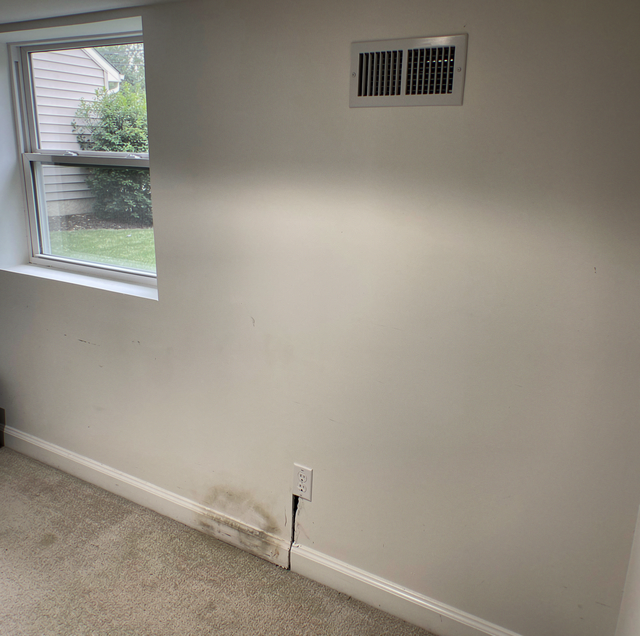
A finished basement that smells musty has a specific cause, even if it isn't obvious yet. That smell is a byproduct of moisture interacting with organic material somewhere in the room: drywall paper, wood framing, carpet padding, or the paper facing on batt insulation. Where that moisture is coming from and how long it's been sitting there determine whether the fix is as simple as running a dehumidifier or as involved as opening a finished wall. Tracking the smell to its actual source, instead of guessing at the first thing that comes to mind, is what separates a fix that lasts from one that comes back in a few months.
What a Musty Smell Actually Signals
The smell itself comes from microbial volatile organic compounds, gases released by mold and mildew as they digest cellulose and other organic material. Those organisms need three things to establish themselves: a food source, a surface to grow on, and sufficient moisture in the air or in the material to survive. A finished basement supplies the first two automatically, since drywall, carpet, wood trim, and insulation backing are all cellulose-based. The third variable, moisture, determines whether a smell develops at all.
That means the odor is a downstream effect, not the problem itself. Getting rid of it for good means finding what's keeping moisture available long enough for growth to take hold, then cutting off that supply.
Where the Moisture Is Actually Coming From
Basements sit below or near grade, which puts them closer to soil moisture and groundwater than any other room in the house. That position alone doesn't cause a smell; plenty of below-grade spaces stay dry for decades. What causes trouble is moisture reaching the space through one of a few paths, each with a different fix.
Condensation forms when warm, humid indoor air comes into contact with a cooler surface, such as an uninsulated foundation wall, a cold water pipe, or ductwork running through the space. The air can't hold as much water vapor at lower temperatures, so the excess condenses into a thin film. Bulk water intrusion is different: it's liquid water entering through a crack in the foundation, a gap around a window well, a failed exterior seal, or a floor joint where the wall meets the slab. Vapor migration through an unsealed concrete floor is a third path, one that's easy to miss because there's no visible water at all, just a steady rise of moisture through the slab itself into whatever flooring sits on top of it.
Condensation vs Bulk Water Intrusion
Telling these apart matters because the fixes don't overlap. A simple test: tape a square of foil or clear plastic directly to a suspect wall or floor area and leave it sealed for a day or two. Moisture forming on the outside face of the foil, the side facing the room, points to condensation from humid indoor air. Moisture collecting beneath the foil, against the concrete, indicates water or vapor moving through the material from outside.
A finished basement complicates that read, since the foundation wall itself is usually hidden behind drywall and framing. That's part of why a smell can develop well before anyone notices a visible water problem: the moisture is doing its work behind the finished surface, out of sight, long before it reaches anything a homeowner would see during a normal walkthrough.
Why Finished Basements Hold the Smell Longer
An unfinished basement with bare concrete walls and an open floor dries out fast when moisture shows up, because there's nothing to hold water against a surface for long. A finished basement works against itself in that respect. Carpet and padding trap moisture at floor level. Drywall wicks it upward through the paper facing. Batt insulation between studs holds humidity against the back of the wall where nobody sees it. Framing lumber in direct contact with a damp slab or wall stays wet long after the air in the room feels normal again.
That trapped moisture is also why a musty smell in a finished space often builds up gradually rather than appearing after a single event. A single wet afternoon in an unfinished basement dries out on its own. The same moisture behind finished drywall can sit there for weeks, feeding low-level microbial growth the whole time, before the smell finally becomes noticeable at floor level or near an HVAC return.
Common Culprits Behind the Odor
A few sources come up again and again during basement moisture assessments:
- A sump pump that's undersized, failing, or not keeping pace with groundwater during a heavy rain stretch, letting water back up under the slab
- A missing or damaged vapor barrier behind finished walls or under the flooring, leaving no separation between the concrete and the finished materials
- An HVAC condensate line that drains poorly or has come loose, releasing water inside a finished mechanical closet
- A dryer vent that isn't properly sealed or exhausted outside, adding warm humid air directly into the space
- Poor air circulation in a closed-off finished room, letting humidity sit stagnant instead of cycling through the rest of the house's air handling
How a Professional Traces the Source
Diagnosing a damp basement smell usually starts with a moisture meter reading across the framing, drywall, and any exposed concrete, since instrument readings catch elevated moisture long before it's visible or has a strong smell. From there, checking the sump pit, discharge line, and pump function rules out or confirms a groundwater management failure. A section of baseboard or a small area of drywall near the suspected source often needs to be removed to determine whether a vapor barrier is present and intact behind the finished wall.
Humidity levels in the room are also checked, since a finished basement with poor ventilation or no dehumidification can develop a musty smell from stagnant, elevated humidity, even when the foundation itself is sound. Distinguishing that scenario from a structural water intrusion problem is the difference between a fix that involves a dehumidifier and, if ductwork is contributing, a ventilation or duct issue that an HVAC contractor needs to correct, versus one that requires interior drainage work before anything else happens.
Waterproofing Comes Before Refinishing
If the source turns out to be groundwater pressure against the foundation, whether through a crack, a failed seal, or water backing up under the slab, that has to be addressed before any new finished materials go back in. An interior drainage system routes water along the base of the wall to a sump pump rather than letting it seep through the wall or floor joint. A vapor barrier behind new framing and under new flooring keeps residual moisture in the concrete from reaching whatever gets installed next.
If the source is condensation and elevated humidity indoors rather than water intrusion, the fix looks different: better ventilation and a properly sized dehumidifier running on a set schedule, which keeps the indoor air from staying humid enough to condense on cold surfaces in the first place. Both scenarios can produce a similar musty smell, which is exactly why identifying which one is happening matters before spending time or effort on a fix aimed at the wrong cause.
When Finished Materials Have to Come Out
Once drywall, carpet padding, or insulation has held moisture long enough to support active microbial growth, drying it out doesn't reverse what's already happened. Materials that have absorbed water for an extended stretch typically need to be removed rather than dried in place, because the growth and the smell it produces are established in the material itself, not just on its surface. Leaving those materials in place after fixing the moisture source is one of the most common reasons a basement smell returns weeks later even though the original cause has been addressed.
This is also where a finished basement differs from an unfinished one in terms of scope. Fixing the source might be contained to a sump pump repair or a sealed foundation crack. Addressing everything the moisture touched on its way through the finished space- drywall, baseboard, flooring, and insulation- is usually a separate step, and it's the one that actually gets rid of the smell for good instead of just keeping it from getting worse.
Reading the Signs Before You Call Anyone
| What You're Noticing | What It Usually Points To |
|---|---|
| Musty smell strongest near exterior walls after rain | Bulk water intrusion through the foundation |
| Smell tracks the humid part of the year and eases in the dry part | Condensation from humid indoor air on cool surfaces |
| Damp smell plus a visible water line or stain on drywall | Past or ongoing flooding at floor level |
| Smell near a mechanical closet or laundry area | HVAC condensate line or dryer vent issue |
| Sulfur or sewer-like smell near a floor drain | Dried trap letting sewer gas in, not a moisture problem |
| Smell present with no visible staining anywhere | Vapor migration through an unsealed slab or wall |
A damp basement smell after finishing is rarely a mystery once the actual moisture path gets identified. What it takes is checking the mechanism rather than the symptom: where the water or vapor is entering, how long it has had contact with finished materials, and whether the fix needs to happen at the foundation, in the mechanical systems, or in the materials themselves. Skipping that step and just masking the smell tends to buy a few weeks at best before it comes back.
Frequently Asked Questions
A pin-style meter measures electrical resistance between two small probes pressed into the wood; wetter wood conducts better, so the reading climbs well before humidity gets high enough for anything to smell musty. Framing that reads above roughly 20 percent moisture content is already past the threshold where mold and mildew can take hold, even though a homeowner walking through the room wouldn't notice anything unusual for weeks.
Most basement dehumidifiers work best set between 30 and 50 percent relative humidity, with somewhere around 45 percent being a reasonable target for a finished space that stays occupied. Setting it much higher lets humidity climb back into the range where microbial growth restarts, and a unit sized too small for the square footage struggles to hold any setpoint once the room warms up during the day.
No, and they're often confused. A musty, earthy smell points to moisture and microbial growth. A rotten-egg or sulfur smell usually means a floor drain's trap has dried out, letting sewer gas rise into the room; running water down that drain periodically keeps the trap sealed and stops the smell without any moisture-related repair.
There's no fixed timeline, since it depends on how much moisture is present and how absorbent the surrounding materials are. Carpet padding and drywall paper facing can start supporting microbial growth within 24 to 48 hours of sustained dampness, while a slower vapor issue through an unsealed slab can take weeks or months to build up to a noticeable smell.
Contractors typically cut drywall at least 12 to 24 inches past the highest point where staining or dampness shows, since moisture wicks upward through the paper facing well beyond what's visible on the surface. Cutting exactly at the stain line often leaves damp material behind the new patch, which is one reason the removed section runs higher than the visible damage seems to call for.
Yes, particularly in homes where the basement shares return-air ductwork or an open stairwell with the rest of the house. Air moves between levels more than most people expect, so odor and the moisture behind it in a basement can show up as a faint smell one or two floors up, especially near HVAC returns.
Schedule a basement moisture assessment — get a clear read on what's causing the smell before any finished materials go back in. M&D Home Renovations serves Delaware County and the Philadelphia suburbs. PA HIC #PA171802. Call (484) 250-4883.
